

According to the Anxiety and Depression Association of America, anxiety affects more than 40 million adults in the United States. The World Health Organization (WHO) states that anxiety is the sixth leading cause of disability in the world. Anxiety includes mental health conditions, such as generalized anxiety disorder, PTSD, social anxiety disorder, and panic disorder, among other anxiety issues.
While there are treatments available for anxiety disorders, only about 36% of those affected in the United States are currently receiving active treatment. Many people struggle with feelings of shame, fear of being judged, a lack of knowledge of the treatments that are available, and the cost of treatment. Other people fear the risk of dependency or addiction to medications used to treat anxiety.
In 2018, the United States government legalized the use of CBD. CBD oil is extracted from the hemp plant, and unlike marijuana, hemp contains little or no THC, the ingredient in marijuana that produces the feeling of being high. CDB contains less than 0.3% THC, which is under the legal limit. People who deal with a wide variety of conditions use CBD to lessen and control their symptoms. One area of promising study is how CBD may help with anxiety.
In this article, we'll be talking about three key talking points to consider when deciding if you should look into using CBD oil to treat your anxiety. First, we'll discuss the studies made on animal and human reactions to CBD as stress relief. Then, we'll go over some concerns about its side effects.
1
Animal Model Studies
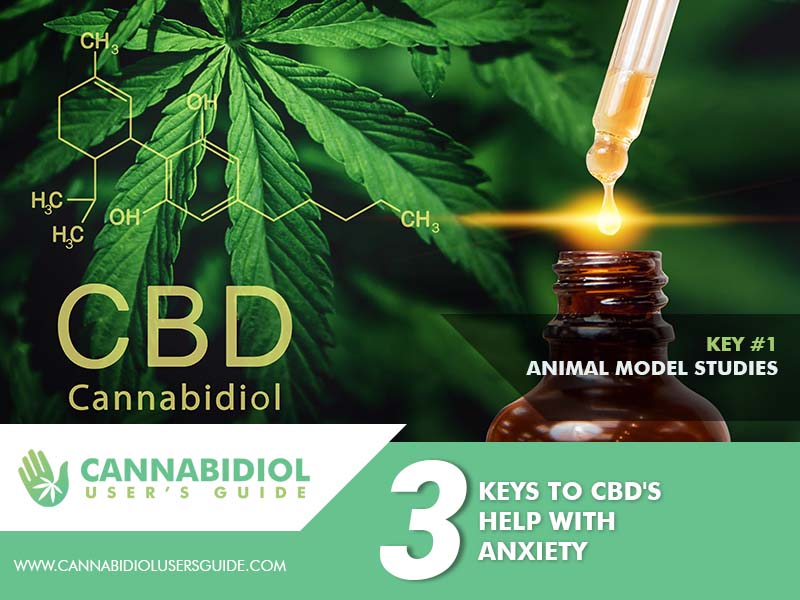
Over 30 animal studies have been conducted worldwide to help scientists understand how and why CBD affects the brain and may help with anxiety. Animal model studies allow scientists to look at the parts of the brain and body affected by CBD and how this correlates to decreasing anxiety. CBD has been shown to affect the serotonin receptors in the brain.
Serotonin is a chemical neuroreceptor that helps control mood, anxiety, and depression. In humans, the endocannabinoid system helps regulate the chemical balance of basic processes, like sleep, mood, appetite, immune function, and metabolism. CBD affects the receptors within the endocannabinoid system that signal the nervous system to maintain these processes at balanced levels.
2
Human Model Studies
The positive results of animal model studies have prompted scientists to begin testing the effects of CBD in humans. Recent studies have found that CBD shows a wide range of effects, such as decreasing fear, reducing panic, reducing compulsive behavior, and helping extinguish persistent fear memories. While more studies are needed, the current results are promising. In one study in Brazil, CBD or a placebo was given to participants who were to perform public speaking, an activity that often causes anxiety in people. The participants who were given CBD had a significant decrease in anxiety, discomfort while giving their speech, and cognitive impairment than the participants who were given the placebo.
Another recent case study looked at the effect of CBD on anxiety and sleep. Nearly 80% of the participants reported a decrease in their anxiety after one to two months of treatment. Another study of CBD for people with PTSD showed participants have reduced insomnia and improved fear modulation. This study concluded that CBD served as an effective antidepression and anti-anxiety treatment.
Along with scientific studies, there are multiple reports of people benefitting from CBD use for anxiety. Since becoming legal, CBD has been widely available in the United States. According to the New York Times, 60% of people surveyed use CBD to help with their anxiety.
3
Side Effects Of CBD
One of the benefits of CBD is the limited side effects noted when compared to other medical drug treatments. The most common side effects reported are diarrhea, changes in appetite and weight, fatigue, and dry mouth. Studies suggest that there may be a risk of liver toxicity when CBD is used with some medications. Another consideration is how CBD affects the way that the body metabolizes certain other medications. Some medications carry a "grapefruit warning," cautioning people not to consume grapefruit or grapefruit juice while taking those medications.
Grapefruit blocks an enzyme that helps the body metabolize particular medications, raising the level of the medication in the blood and body above the recommended levels. CBD is thought to have a similar effect. People who want to use or are using CBD should consult with their doctor to discuss these risks. Animal and human studies show that CBD can help with anxiety. More research is needed to understand all the benefits and side effects.
Now, you know some major keys to deciding if you want to use CBD oil as anxiety relief. We went over the biggest ones in this article. First, we discussed study results on both animals and humans. Then, we finished by covering some side-effect concerns.
Anxiety affects more than 40 million adults in the United States. With so many people affected, there are going to be all kinds of remedies and solutions. One of these could be CBD, and now, you have the facts to help you decide if it could be the right anxiety aid for you.