

In the United States, over ten percent of the population has diabetes. The effects of diabetes can alter a person's physical condition and disrupt their life. Researchers are looking at CBD as a possible way to prevent or control diabetes.
This article will go over the correlation seen between diabetes and CBD use as an aid for it. We'll first go over the basics of diabetes itself. Then, we'll cover how promising CBD is in the medical field. Finally, we'll talk about some specific studies made on CBD and diabetes and some benefits and improvements that have been noted.
1
The Basics Of Diabetes
There are two main types of diabetes, Type 1 and Type 2. People with Type 1 diabetes do not produce enough insulin to turn the foods that they eat into energy for their bodies. Insulin is a hormone produced by the pancreas that converts the sugars in food into energy, which the body needs to be active, build and repair cells and tissues, and survive. People with Type 1 diabetes must inject insulin because they do not make or have enough in their bodies.
People with Type 2 diabetes have insulin in their bodies, but their cells have become resistant to using it to process sugars into energy. People with Type 2 diabetes may inject insulin, but they may also control their blood sugar levels with oral medications and by improving their diet. Uncontrolled blood sugar levels can lead to damage to the kidneys, eyes, nerves, and circulatory system.
Gestational diabetes affects pregnant women. Many Americans are considered to be prediabetic, meaning their blood sugar levels are higher than normal but not high enough to be diagnosed with Type 2 diabetes. People with diabetes must monitor what they eat and often take medications or inject insulin to survive. Diabetes can be a time-consuming, costly, and debilitating disease.
2
The Promise Of CBD
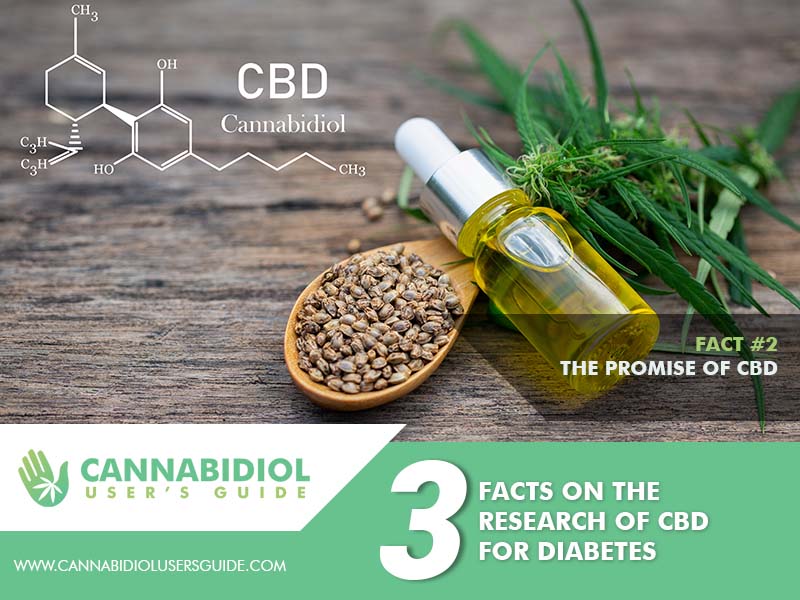
Until 2018, CBD was classified as a Schedule 1 drug, like marijuana, making it illegal to produce or use. However, CBD is extracted from the parts of the hemp plant that contain little or no THC, the active substance in marijuana that produces the feeling of being high. CBD is now produced and sold to be under the legal THC limit of 0.03%, opening doors for scientists to explore its potential benefits. Research has been conducted on CBD that suggests it may have the overall following health benefits: relieves pain, reduces anxiety and depression, alleviates cancer-related symptoms, reduces acne, supports heart health, and has antioxidant and antibacterial properties and neuroprotective properties for the nerves.
Many of these health conditions are related to diabetes. Diabetes can cause nerve damage and pain and can damage the blood vessels, leading to poor circulation and heart diseases. CBD's antioxidant properties may help protect against other forms of cell damage as well. Diabetes can cause depression, and people with depression are also at risk of developing diabetes.
3
Research And Studies
Most CBD research has been on animals or human models, but some small-scale human trials and case studies have also been conducted. A study in the Journal of Autoimmunity showed that regular CBD use reduced the incidence of diabetes in mice, and a study in the American Journal of Cardiology noted that CBD reduced inflammation in mice with diabetes and may help lower the likelihood of cardiovascular disease that is tied to diabetes. A study published in Diabetes Care did not find that CBD helped control blood sugar, but it did reduce the hormone that affects insulin resistance, and a study in the journal Pain showed that CBD helped reduce inflammation and nerve pain associated with osteoarthritis. Another study looked at inflammation triggered by high glucose levels and found that CBD had positive effects on several markers of inflammation.
Case studies and anecdotal evidence suggest that for some diabetes patients, CBD provides lower AM blood sugar levels, better sleep, and increased overall well-being. Better sleep and increased overall well-being are important for everyone, particularly for people with diabetes. Stress can disrupt blood sugar levels, making them hard to control. The healthier and the better a person feels, the less physical and psychological stress they have. CBD is thought to improve enough medical conditions to affect people's quality of life positively.
Now, you have more information on how CBD can help with diabetes. In this article, we talked about what diabetes is. Then, we went over CBD's medical potential and finished up by talking about some studies done on its effect on diabetes itself.
CBD may not hold all the answers to preventing diabetes, but the current research does have promising signs. If you have diabetes and are considering using CBD, talk to your doctor about how it may benefit you. The risks are minimal, and your health could improve.